Who we serve
Built for women whose businesses keep communities running
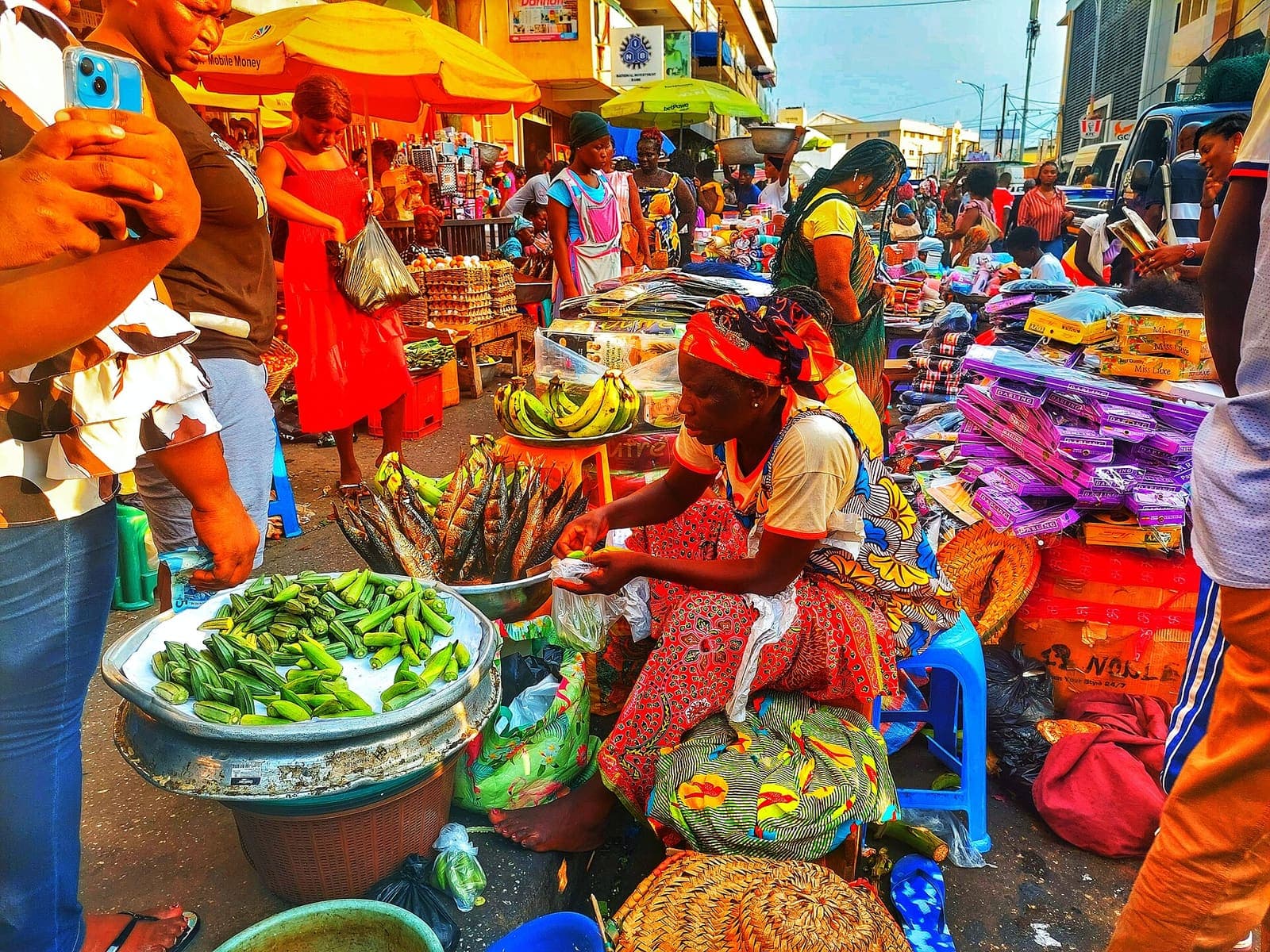
WDB's focus is women entrepreneurs and traders who have traditionally been left out of banking, in markets, on farms, in fishing communities and in small firms across Ghana.
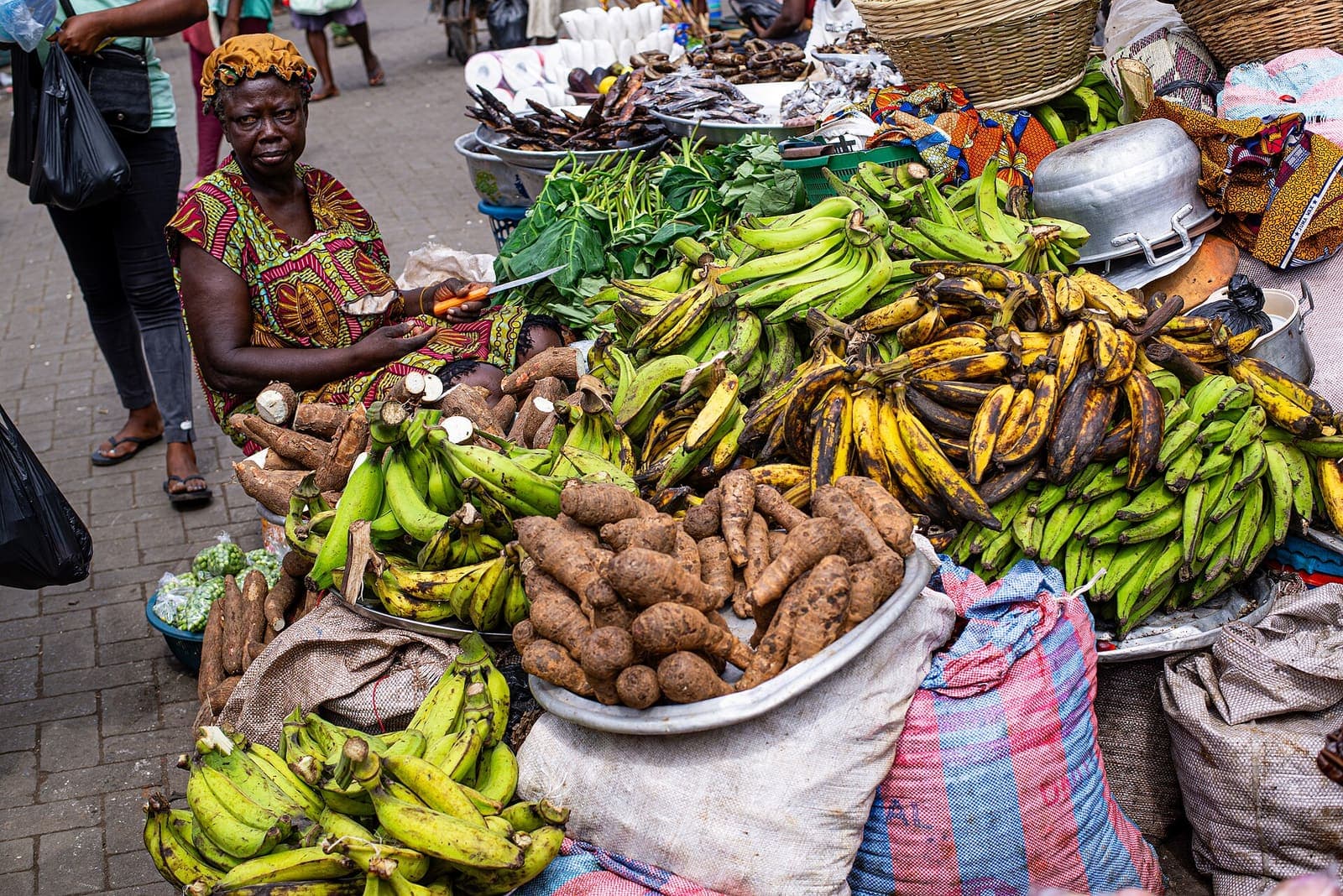
The women and businesses WDB is designed for
 01
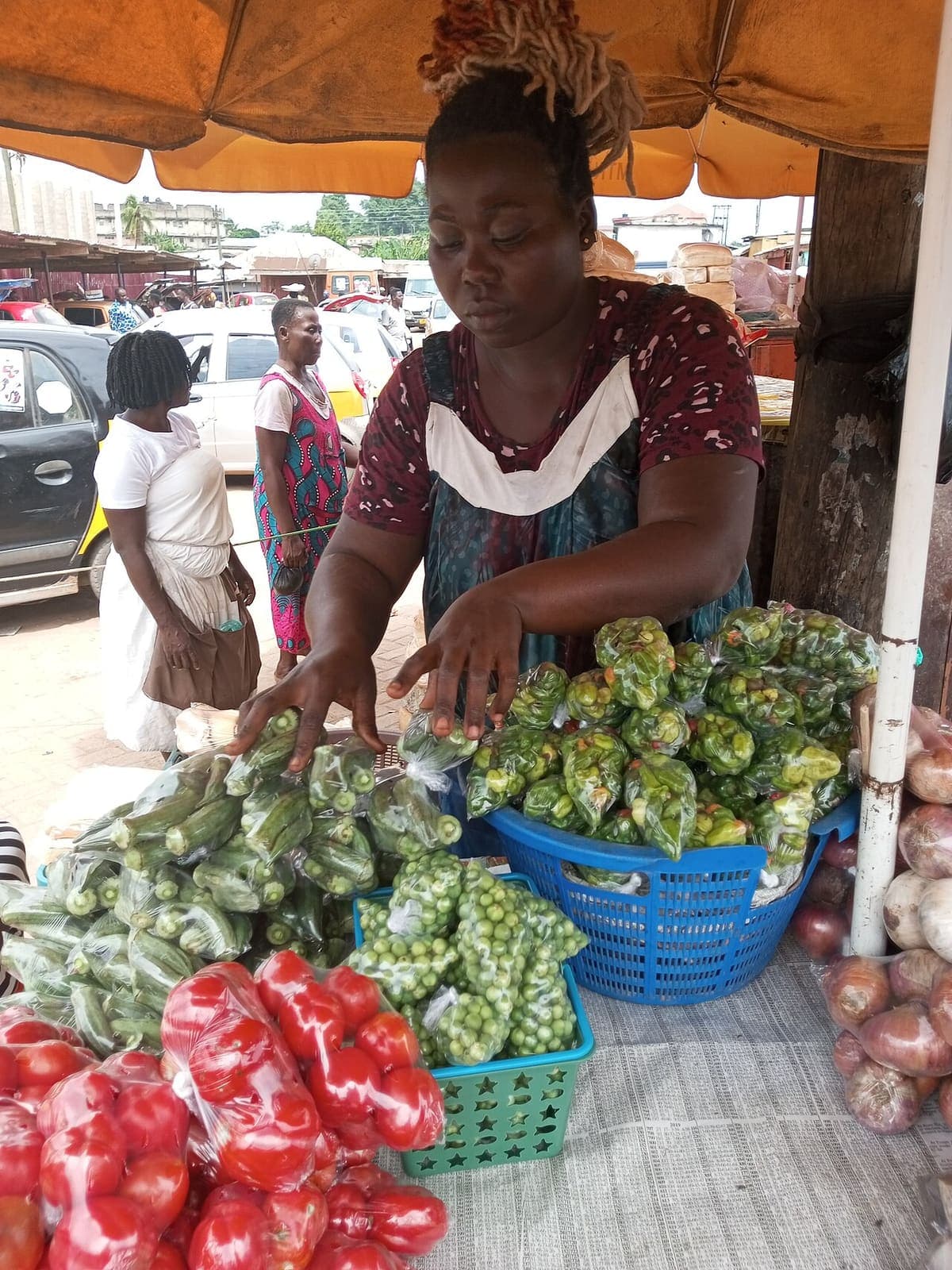
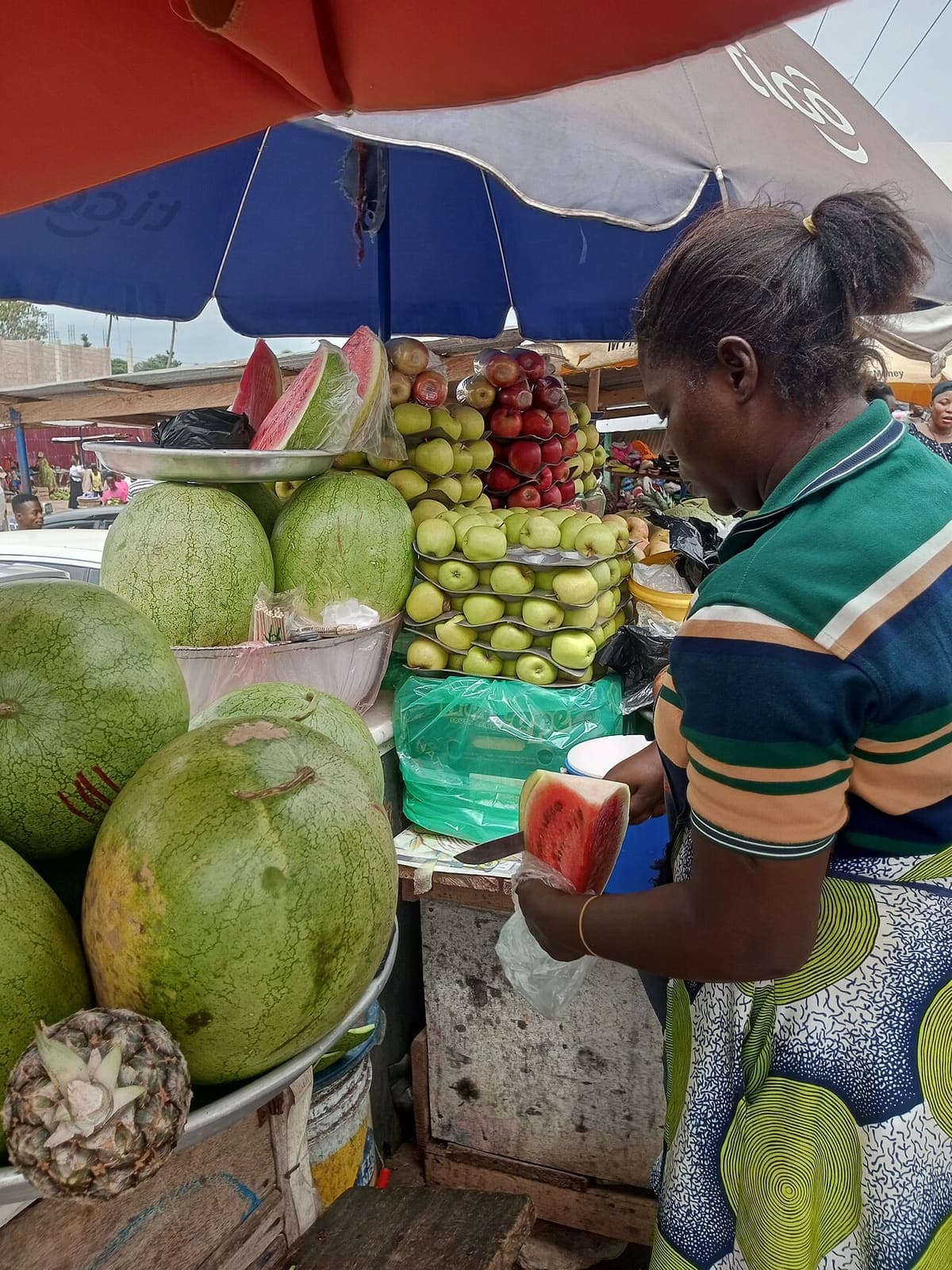
Women entrepreneurs and market traders
Traders in markets in towns and communities across Ghana. Their businesses turn over stock every day, but daily earnings rarely match the paperwork banks ask for.
For example: a trader selling vegetables, fabric or provisions from a market stall.
 02
Informal women-owned businesses
Women running businesses that are not formally registered. WDB's approach is designed to recognise a working business even without formal records.
For example: a food vendor, a seamstress working from home or a roadside seller.
 03
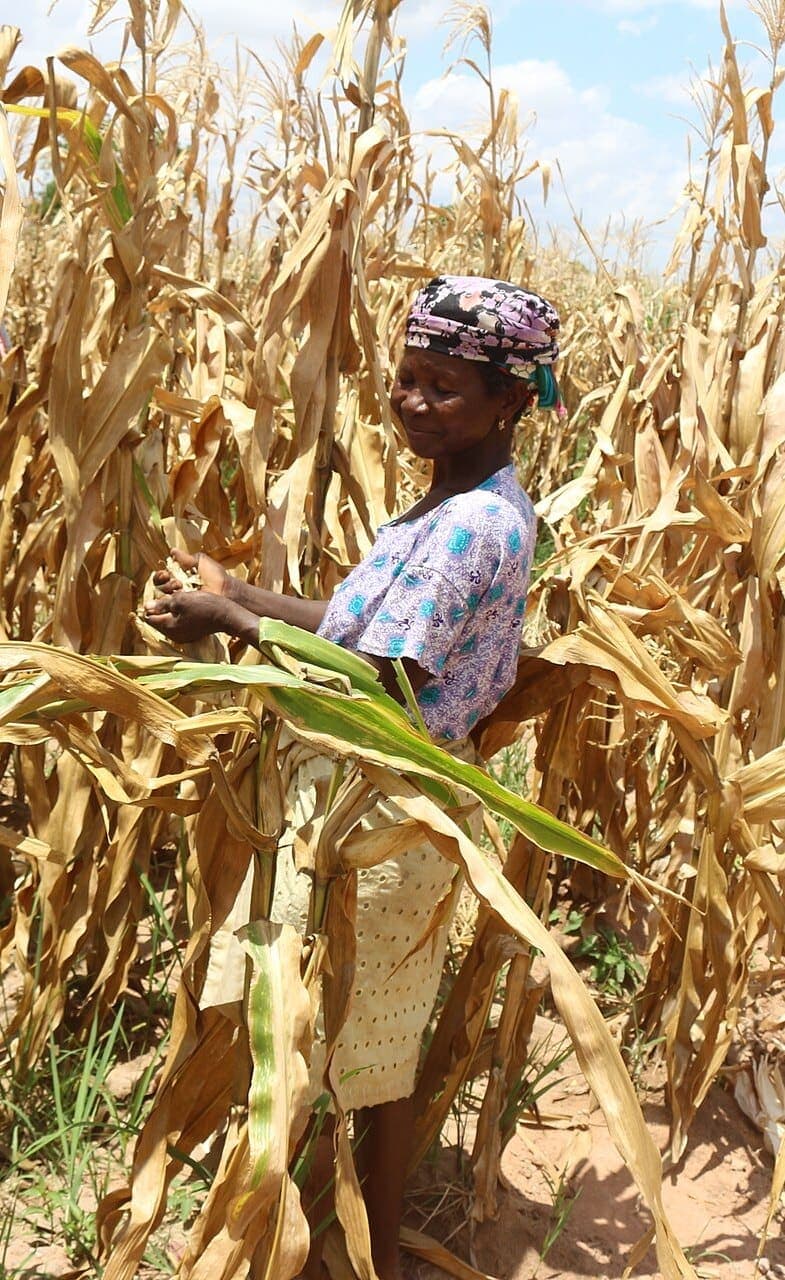
Rural smallholder women farmers
Women farming small plots of land in rural areas, whose income arrives with the harvest rather than every month.
For example: a farmer growing maize, cassava or vegetables for local markets.
 04
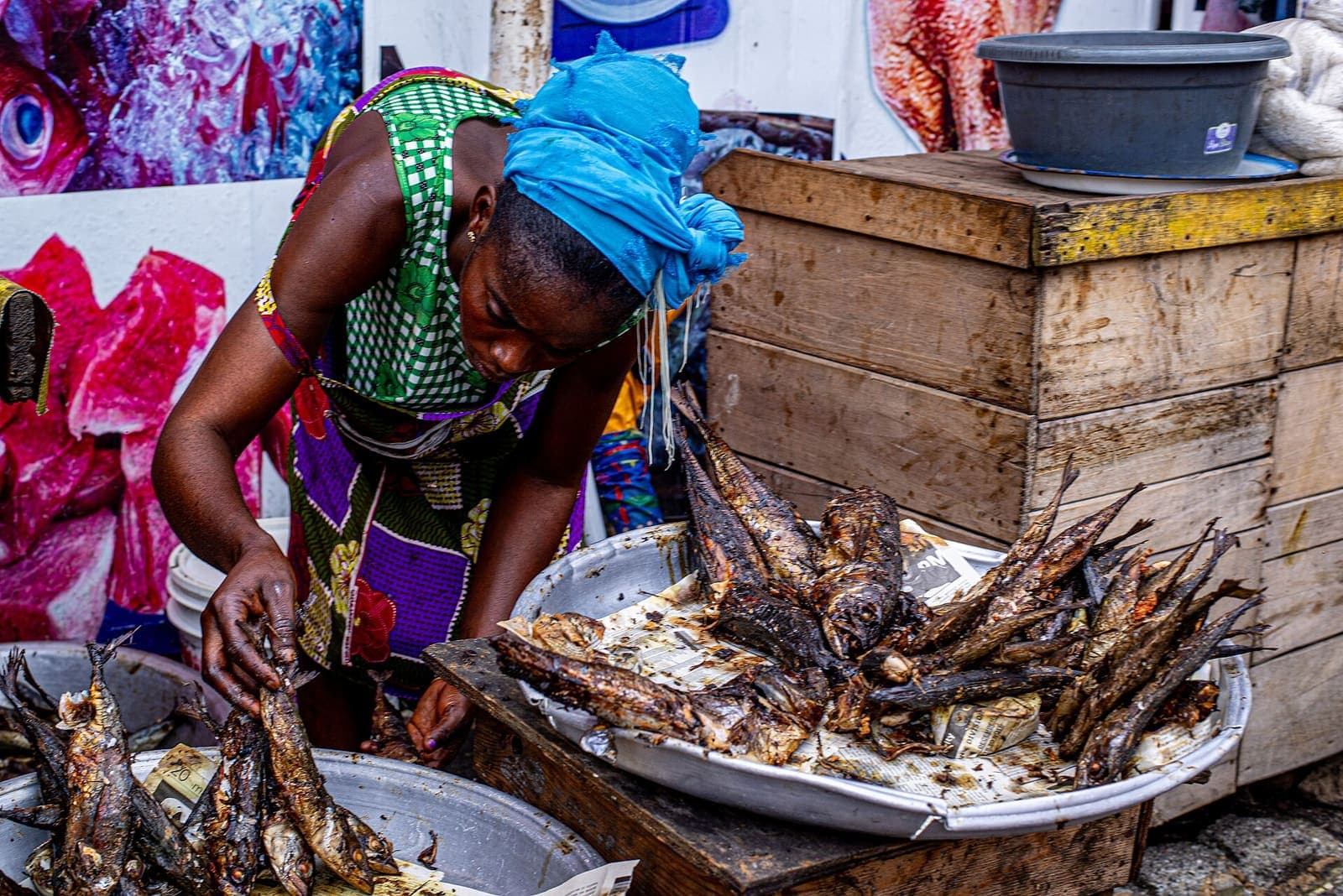
Fisherwomen and women in fishing communities
Women who process, smoke and sell fish, and whose trade depends on the season and the catch.
For example: a fish processor or fishmonger buying from the landing beach to sell at market.
 05
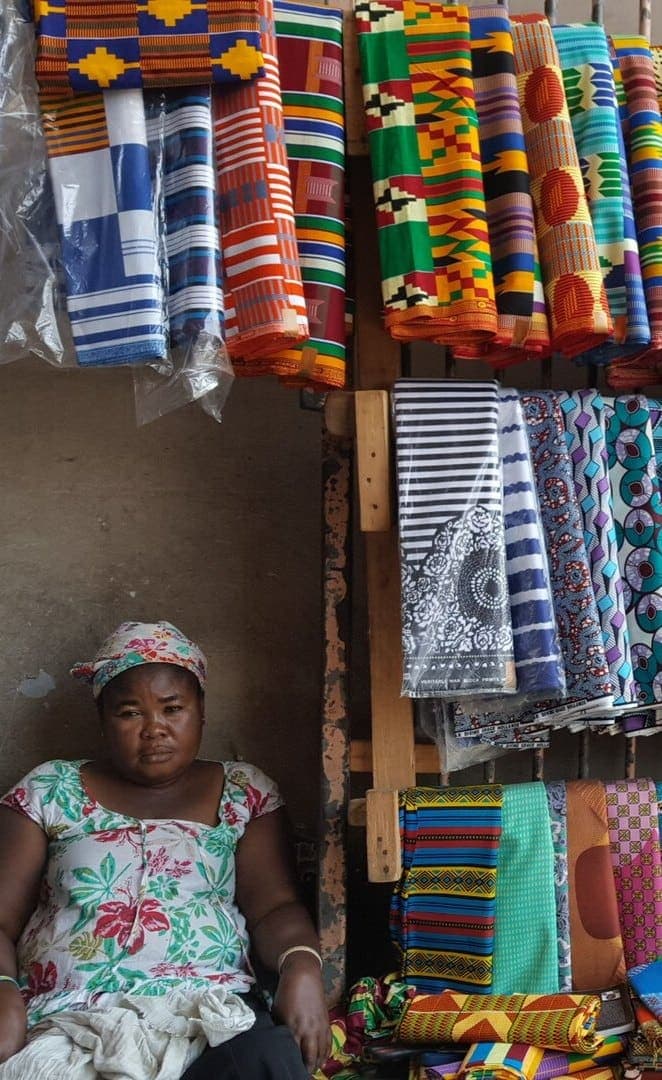
Women-owned registered small businesses
Women-owned small firms that are formally registered but have still struggled to get bank services.
For example: a small shop, a processing business or a tailoring workshop with employees.
 06
Businesses that have struggled to access formal banking
Across all of these groups, the common thread is the same: viable businesses that formal finance was not designed around.
For example: a business with steady customers but no land title or bank statements to show.
Women first
Open to businesses owned by women and men, with priority for women
WDB welcomes businesses owned by both women and men. Many family businesses are run by women and men together, and those businesses are welcome too. When it comes to providing support, priority will be given to women-owned businesses.
See how WDB plans to make finance easier to reach
Learn about alternative credit assessment, social collateral and the channels WDB plans to use.